Protecting Public Health: The Link Between Boiler Maintenance and Clean Water

May 18, 2026

The importance of maintaining boilers is often overlooked in discussions about clean water. However, as a critical component of many water systems, their inefficiencies and failures can lead to significant public health risks. This article explores the connection between boiler maintenance and the protection of water quality. Maintaining boilers not only ensures operational efficiency but also prevents the contamination of water resources. With such an essential role in modern infrastructure, ignoring boiler maintenance could compromise both water safety and public health.

The Role of Boilers in Water Systems

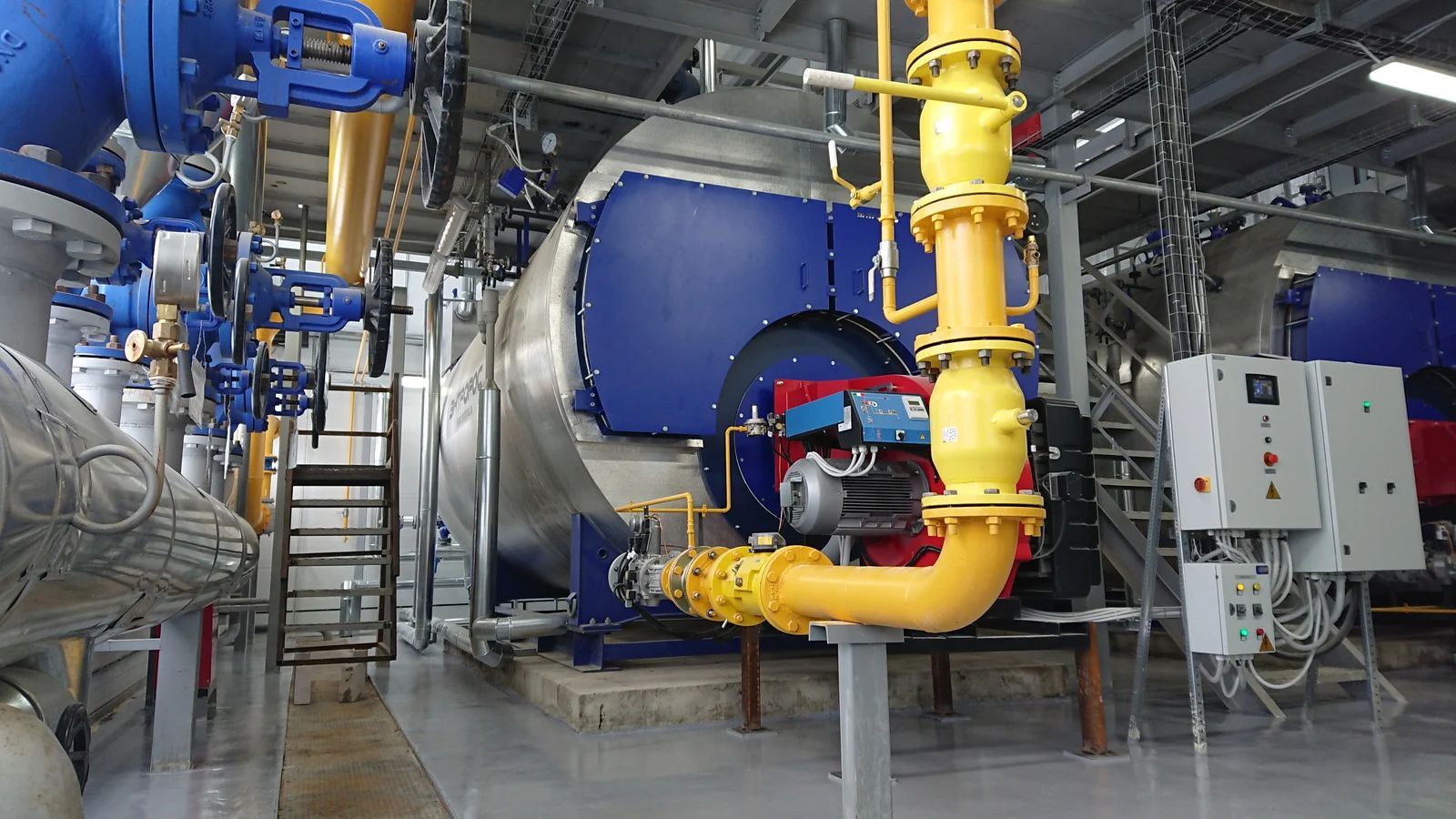
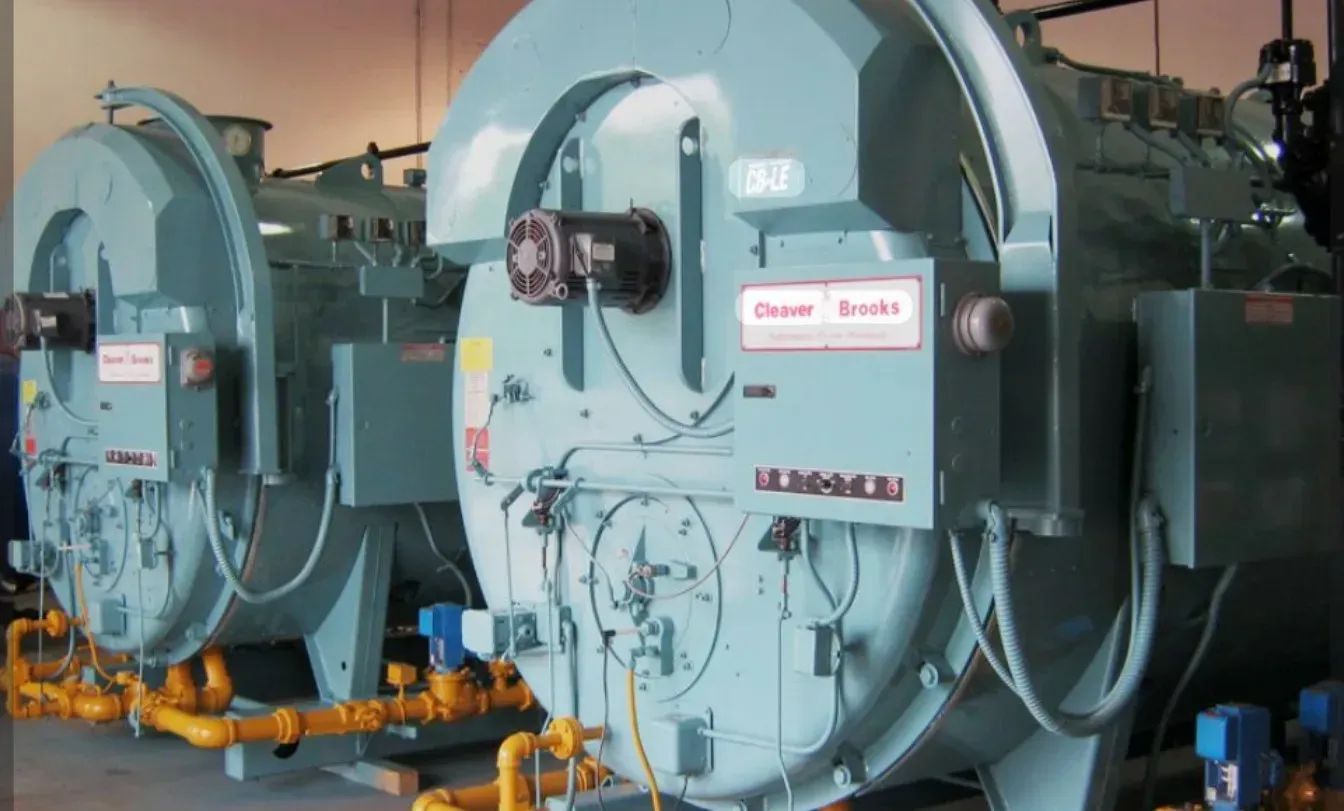
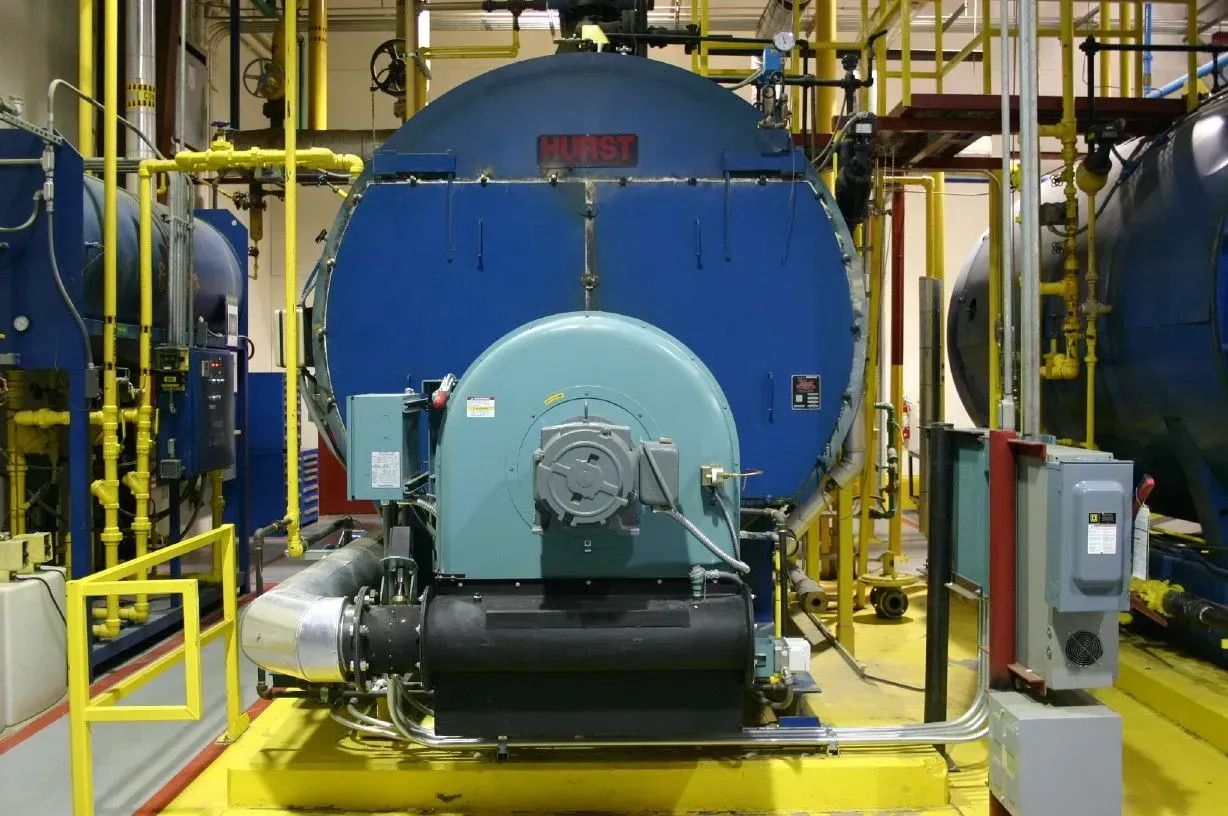
Boilers play a crucial role in water systems by heating water and distributing it efficiently across various sectors. They are essential in both residential and industrial settings, providing a constant supply of hot water necessary for daily activities. An overview of boiler functions reveals their ability to convert energy into heat that is transferred to water, which is then distributed through pipes to different points. Without properly functioning boilers, many systems would struggle to meet the water heating demand, leading to operational downtimes. Therefore, understanding how boilers work can highlight their indispensable role in water systems.

There are numerous types of boilers used in water systems, each suited to different applications. Common types include gas, oil, and electric boilers, each with unique attributes and efficiency levels. Gas boilers, for instance, are widely used for their cost-effectiveness and reliability. Meanwhile, electric boilers are known for being more environmentally friendly, albeit sometimes less efficient than their gas and oil counterparts. Selecting the appropriate type of boiler depends on the specific needs of the system and environmental considerations.

The importance of boilers in water heating and distribution cannot be overstated. They ensure that water is heated to the required temperature for various applications, from residential use to industrial processes. The reliability of hot water supply is directly linked to the efficient functioning of these boilers. Any failure in a boiler system can severely impact water quality and availability, emphasizing the need for regular maintenance. Therefore, safeguarding the efficiency and reliability of boilers is integral to maintaining clean water systems.

Common Issues in Boiler Maintenance

Scale and corrosion are common challenges faced in boiler maintenance, often compromising efficiency and longevity. Scale results from mineral buildups on boiler surfaces, reducing heat transfer efficiency and increasing energy consumption. Corrosion, on the other hand, can severely degrade boiler components, leading to leaks and potential failures. Addressing these issues requires regular cleaning and the application of appropriate water treatment chemicals. Maintenance protocols addressing both scale and corrosion are crucial for extending boiler lifespan and maintaining system efficiency.

Malfunctioning pressure and temperature gauges are also common concerns in boiler maintenance. These components are vital for monitoring the operational status of boilers, ensuring they operate within safe limits. When gauges are inaccurate or malfunctioning, boilers may operate under dangerous conditions, risking both efficiency and safety. Regular calibration and inspection of these gauges can prevent unexpected failures. This proactive approach not only enhances boiler safety but also ensures consistent water quality.

Leaks and their immediate impact on system operations are among the most pressing issues in boiler maintenance. A small leak can rapidly lead to significant water loss and potential contamination risks. The presence of leaks often indicates underlying issues such as corrosion, joint failure, or faulty seals. Quickly addressing leaks through regular inspections and repairs is critical in avoiding more severe system failures. Effective leak management helps maintain the integrity of the water system and protects public health by ensuring water quality is not compromised.

Link Between Poor Boiler Maintenance and Water Quality

Poor boiler maintenance can lead to various pathways of contamination, adversely affecting water quality. When boilers fail due to improper maintenance, contaminants can enter the water system through leaks or malfunctioning components. This can result in the introduction of harmful substances into the water supply, posing significant health risks to the public. Effective maintenance practices reduce the likelihood of these failures, safeguarding water quality. Maintaining boilers is thus essential in preventing pathways of contamination.

Chemical pollutants and their effects represent serious concerns in the context of boiler maintenance. Improper maintenance can lead to the release of harmful chemicals into water supplies, such as heavy metals and treatment chemicals. According to EWG, chromium-6 contaminates the drinking water of more than 250 million Americans, highlighting the potential dangers of chemical pollution. When boilers malfunction, such chemicals can inadvertently mix with the water supply, posing risks to human health. Addressing possible sources of chemical pollutants is crucial in maintaining safe water systems.

Biological contaminants stemming from boiler deficiencies are often overlooked but can have serious impacts on water quality. Poor boiler maintenance can create favorable conditions for microbial growth, such as Legionella bacteria. These microorganisms can proliferate in poorly maintained systems, contaminating the water supply and potentially causing diseases. The risk of biological contamination further emphasizes the need for routine boiler inspections and maintenance. By minimizing these risks, we contribute to healthier water systems and public health protection.

Strategies for Effective Boiler Maintenance

Implementing routine inspection and preventative maintenance plans is vital for the longevity and efficiency of boiler systems. Regular inspections help identify potential problems before they escalate into costly failures. Maintenance plans should be tailored to address known issues like scale, corrosion, and worn out components. Scheduling periodic analyses and employing expert evaluations can significantly extend the operational life of boilers. These strategies not only enhance system reliability but also ensure consistent water quality and safety.

Upgrading to more efficient boiler systems is an effective method for minimizing maintenance challenges. Technological advancements have led to the development of high-efficiency boilers that require less frequent maintenance and consume fewer resources. These boilers use advanced materials and design improvements to provide more reliable performance. While upgrading may involve an initial investment, the long-term cost reductions in maintenance and energy consumption can be substantial. Choosing efficiency upgrades is a proactive approach to improving boiler performance and protecting water systems.

Training and certification for maintenance personnel ensure that boilers are serviced by knowledgeable and experienced professionals. Effective training programs equip personnel with the skills needed to perform routine maintenance, troubleshoot issues, and oversee efficient operations. Certifications also assure system stakeholders that industry standards and regulations are being adhered to. By investing in continuous training and certification, organizations can enhance the competence of their maintenance teams, thereby reducing the risk of system failures. This investment in human capital contributes to safer and more efficient boiler operations across the board.

Policy and Regulation for Ensuring Boiler Performance

Current regulations surrounding boiler performance play a fundamental role in maintaining water system integrity. Regulatory frameworks ensure that boilers meet safety and efficiency standards, minimizing the risk of contamination. These regulations often involve routine inspections, certifications, and mandatory maintenance practices. By enforcing compliance through policy, regulators help protect public health by ensuring stable and reliable boiler operations. Adhering to current regulations is essential for preventing water system failures and ensuring safe water delivery.

By understanding the intricate relationship between boiler maintenance and water quality, stakeholders can implement effective strategies to safeguard public health. Comprehensive maintenance, backed by strong regulation and ongoing education, will ensure that water systems remain reliable and safe for future generations. Addressing both technical and human elements through continuous improvement efforts is pivotal for achieving excellence in boiler management. These practices collectively guarantee that boilers operate optimally, secure water quality, and enhance public health outcomes. The journey towards more robust water systems starts with prioritizing regular boiler maintenance and investment in long-term infrastructure stability. Be sure to reach out to NorCal Water Solutions today for more information on our professional boiler treatments!

Industrial machine with blue motor and white control tanks in a factory workshop
May 25, 2026
Wastewater treatment plays a critical role in protecting public health, maintaining environmental compliance, and supporting long-term operational efficiency across many industries. Manufacturing facilities, food processing plants, agricultural operations, commercial properties,
Industrial cooling towers with large pipes and a concrete walkway leading to a distant building.
May 13, 2026
Cooling tower and boiler treatments are imperative components in the maintenance of public health, particularly in densely populated urban areas.